Event Planner vs Planning Your Own Destination Wedding in Greece : The perfect three-day wedding
Pallene Events · 1 September 2026 · 8 min read
Event Planner vs Planning Your Own Destination Wedding in Greece - The perfect three-day wedding. Your guests have flown to another country. Here is how to shape the days around the wedding so the trip is worth it for them too.
The single biggest difference between a destination wedding and a wedding at home is that your guests are not simply going home at the end of the night. They have taken time off, booked flights and travelled to Greece to celebrate with you.
Shaping the days around the wedding is not an indulgence. It is what turns one beautiful event into a trip worth taking.
Whether you work with an event planner or organise the celebration yourselves, the first decision is not about flowers, stationery or table settings. It is about the experience you want your guests to have—and how much of that experience you want to manage personally.
Planning your own destination wedding
Organising your own wedding can feel wonderfully personal. You choose every supplier, make every decision and remain closely connected to each detail.
For couples who enjoy research, spreadsheets and project management, this can be part of the pleasure. It may also offer greater control over where the budget is spent.
However, planning a wedding in Greece from another country comes with practical challenges. Time differences, language barriers and unfamiliar local processes can make seemingly simple tasks more complicated. Venues and suppliers may communicate differently from what you are used to, while transport, accommodation and changing weather conditions all need to be considered.
The greatest commitment is often not financial but personal: the hours spent comparing options, following up with suppliers and solving logistical problems. During the wedding weekend, you may also find yourselves answering guests’ questions when you would rather be fully present with them.
Working with an event planner
A destination wedding planner brings local knowledge, trusted relationships and a clear understanding of how celebrations work in Greece.
Having made Greece my home, I understand what it feels like to navigate a different language, culture and way of doing things. I also know the country from the inside—its rhythms, its possibilities and the practical realities of creating an event here.
Although I have Greek heritage, my own tastes and expectations have also been shaped by living abroad. I understand that sharing the same traditions does not necessarily mean sharing the same vision of how a wedding should look, feel or unfold.
Greek venues, families and suppliers may sometimes approach a celebration with expectations that differ from those of an international couple. Part of my role is to explain those differences with sensitivity, bridge the cultural gap and ensure that each couple’s individual vision remains at the heart of the celebration.
This perspective allows me to understand the concerns of international couples while guiding them with genuine local knowledge. It also means I can communicate their expectations clearly, without assuming that one interpretation of a Greek wedding will suit everyone.
A planner can recommend suppliers suited to your style and budget, identify potential issues before they become problems and coordinate the many moving parts across the weekend. They also act as the central point of contact for your venue, creative team and guests.
Most importantly, working with a planner allows you to experience the celebration rather than manage it.
That support becomes particularly valuable when the wedding extends beyond a single day. A three-day celebration involves multiple venues, menus, transport arrangements and guest communications. Each event should feel distinct, but the weekend should still flow as one thoughtful experience.
Day one—the welcome
Guests will arrive at different hours and in varying states of energy. The first evening should feel warm, informal and undemanding.
If the budget allows, arranging accommodation where guests can stay together—or within easy reach of one another—helps the interaction begin almost immediately. People naturally meet around the pool, over breakfast or while getting ready. By the time the wedding day arrives, connections have already formed and the atmosphere feels noticeably warmer.
Day one is also an ideal time for the bride’s hair and makeup trial. It gives you the opportunity to perfect the look before the wedding while still arriving at the welcome gathering feeling beautifully prepared, without having to manage your hair and makeup yourself.
I would always include a meal on the first evening. When guests do not need to worry about where to eat after travelling, they can settle in, put on something lovely and look forward to their first social gathering. Taking care of this simple need helps everyone feel welcomed, relaxed and excited about the celebration ahead.
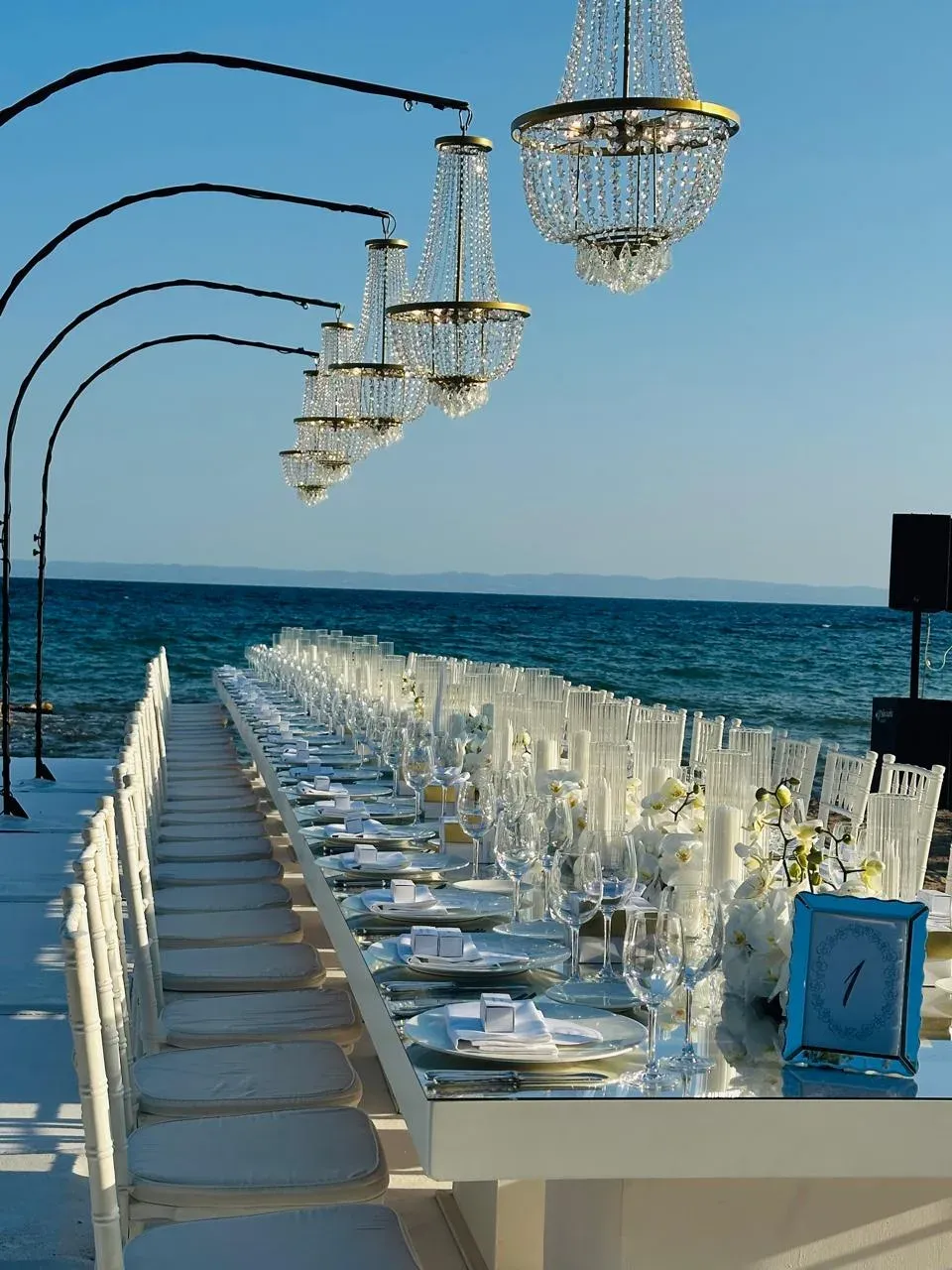
A long table with generous sharing plates works particularly well. Passing food around the table gives guests who may never have met an easy reason to begin talking. The meal becomes more than dinner; it becomes the first shared experience of the wedding.
Light entertainment can gently lift the atmosphere without turning the welcome into the main party. A saxophonist, acoustic musician or traditional Greek performer can create a wonderful sense of place. Traditional dancers can also introduce guests to the energy of a Greek celebration and invite them to participate.
The mood should remain casual and relaxed. Let the welcome evening build anticipation, but save the full party for the wedding day.
If you are planning independently, keep the evening easy to reach and straightforward to manage. Consider guest transport, dietary requirements and how everyone will return safely to their accommodation.
With a planner, these details can be quietly handled behind the scenes, leaving you and your guests free to enjoy the beginning of the weekend.
Day two—the wedding
Plan the ceremony later than you initially think.
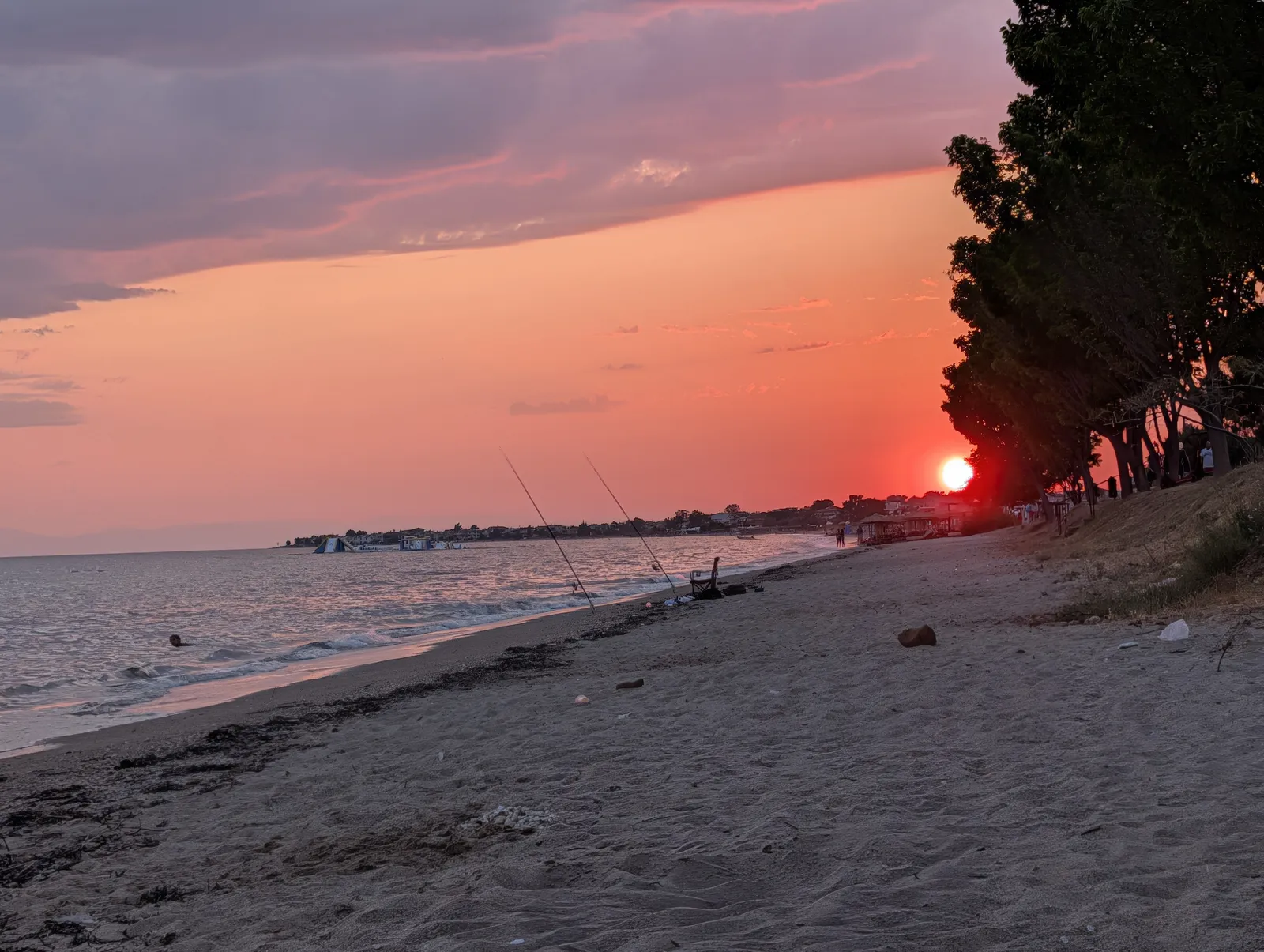
An early-evening ceremony means the strongest heat has passed, the light is at its most flattering and the celebration can flow naturally into dinner and dancing. Rather than reaching its peak in the middle of the afternoon, the wedding gathers momentum as the sun begins to set.
Where possible, schedule a large proportion of your structured photography before the ceremony. Depending on your preferences, this might include individual portraits, wedding-party photographs, family combinations and a first look.
Any remaining essential photographs can be taken immediately after the ceremony, allowing you to join the reception as soon as possible. I have heard from many couples who felt they missed meaningful moments—or important parts of their own reception—because they were away having photographs taken.
Your photography matters, but so does being present. A thoughtful schedule should give you beautiful images without making you feel like a visitor at your own wedding.
Allow some unstructured time after the ceremony as well. This is when many of the most natural photographs happen and when guests begin to settle into the celebration. Drinks are poured, conversations begin and the atmosphere relaxes.
When planning your own wedding, build generous margins into the schedule. Travel in Greece can take longer than expected, particularly on islands or at remote venues. Discuss the timing carefully with your photographer and be realistic about how many formal combinations can be achieved without interrupting the flow of the day.
A planner can coordinate the photographer, transport, catering, entertainment and venue staff as the celebration unfolds. If timings shift, adjustments can be made without involving you in every decision.
Day three—the long goodbye
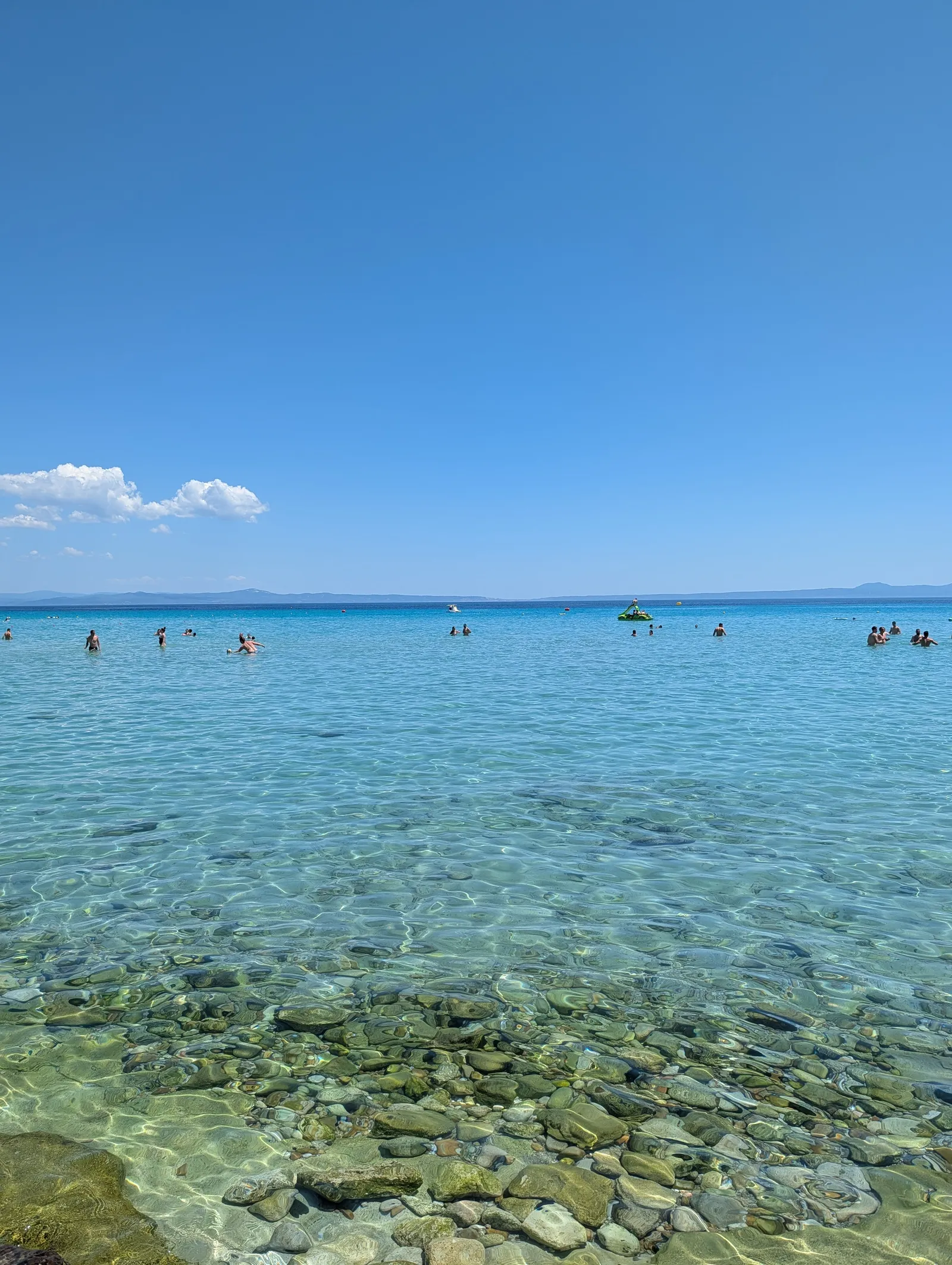
The final day should be slow and easy: a late brunch near the water, with no formal programme and no fixed end.
Half your guests will still be talking about the night before; the other half may already be in the sea. After the anticipation and energy of the wedding, this gentle ending gives everyone time to reconnect before travelling home.
It is consistently one of the days guests remember most, yet it often costs a fraction of the main celebration.
For couples organising the weekend themselves, a relaxed beach club, taverna or hotel brunch can work beautifully. A planner can help secure the right setting, arrange transfers and make sure the final gathering feels considered without becoming another heavily produced event.
Which approach is right for you?
Planning your own destination wedding may suit you if you have plenty of time, enjoy managing complex details and feel confident coordinating suppliers from a distance.
Working with a planner may be the better choice if you value local expertise, want support managing your guests’ experience or would prefer to arrive in Greece knowing the practical details have already been handled.
There is no single correct approach. The right choice depends on your time, budget and how involved you want to be in the logistics.
Whichever route you choose, three days is the shape we recommend most often. It gives the celebration a beginning, a middle and an end—without asking your guests to commit to a full week away.
A warm welcome, an unforgettable wedding and one last unhurried day together. That is the rhythm of a destination wedding in Greece at its best.
Just another day in paradise, Anastasia X
Planning something in Halkidiki? Tell us about it.